

Choosing a diamond ring involves more than finding a stone that sparkles. Buyers also consider quality, price, origin, durability, and long-term value. Lab grown diamond rings offer another option for shoppers who want a diamond produced through modern technology rather than geological formation.
These diamonds are not diamond imitations. Gemological research shows that laboratory-grown diamonds have essentially the same chemical composition, crystal structure, optical properties, and physical properties as natural diamonds. The main difference is their origin.
Understanding how these stones are made and evaluated can make the buying process much easier. It also helps shoppers compare rings based on facts instead of marketing language.
What Makes a Laboratory-Grown Diamond Different?
A laboratory-grown diamond begins with a controlled production process. Manufacturers use technology that recreates conditions that allow carbon to form a diamond crystal.
There are two main production methods: High Pressure High Temperature, known as HPHT, and Chemical Vapor Deposition, known as CVD. Both methods can produce gem-quality diamonds suitable for jewelry.
HPHT technology uses very high pressure and temperature to encourage diamond growth. CVD uses a vacuum chamber and carbon-containing gases to deposit carbon onto a diamond seed. The carbon gradually forms a crystal structure.
The production method does not make the finished stone an imitation. Instead, it describes how the diamond was created. Advanced gemological testing can identify whether a stone is laboratory-grown and, in many cases, determine whether it was produced using HPHT or CVD.
Why Lab Grown Diamond Rings Appeal to Buyers
One major reason shoppers consider lab grown diamond rings is price. Laboratory-grown stones can provide access to larger or higher-quality diamonds at a different price point than comparable natural stones.
That difference can give buyers more flexibility with their budget. For example, someone with a fixed spending limit might compare a smaller natural diamond with a larger laboratory-grown stone.
Price should not be the only deciding factor, however. Cut quality, color, clarity, carat weight, setting design, and certification all affect the final purchase.
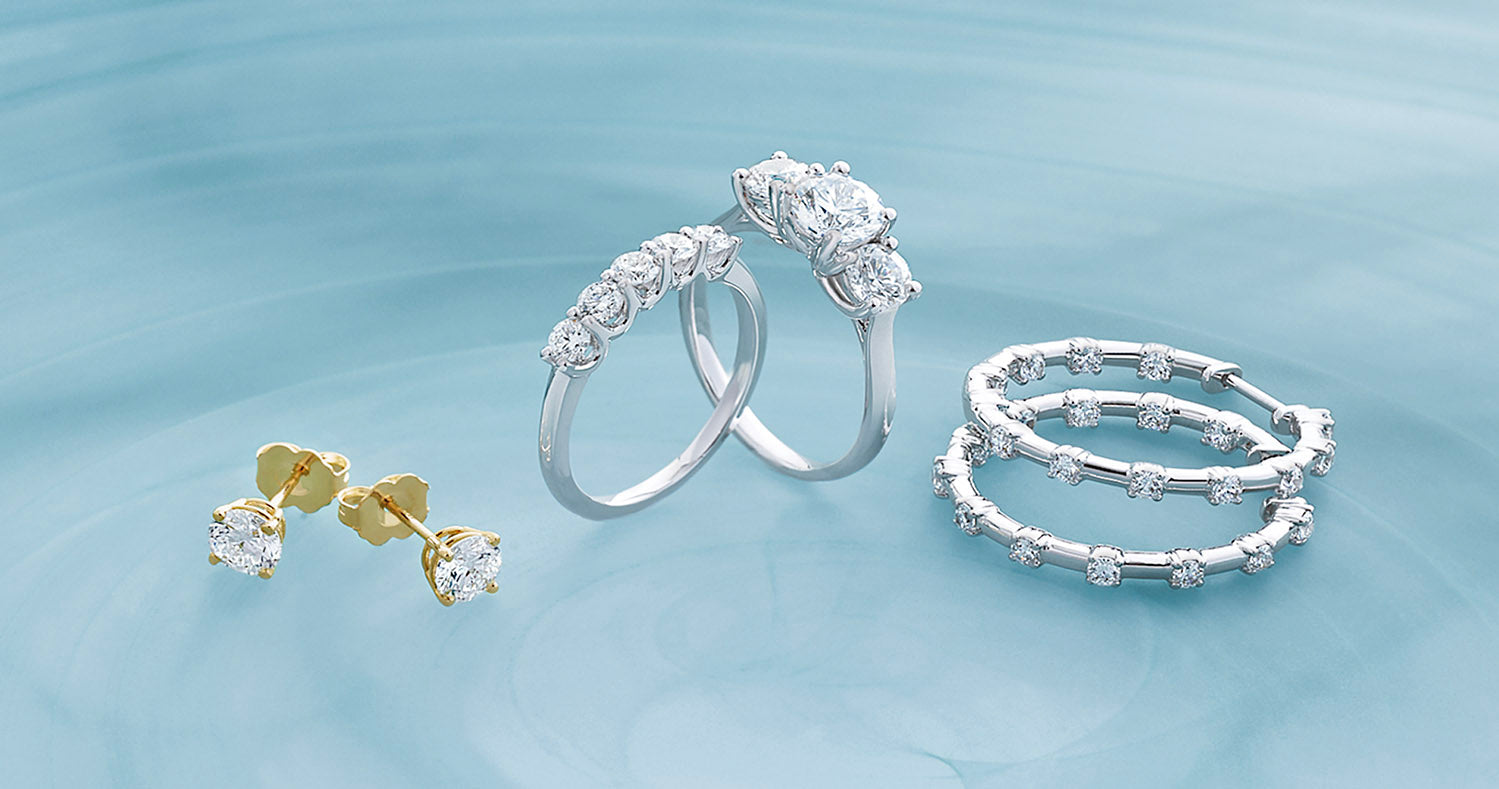
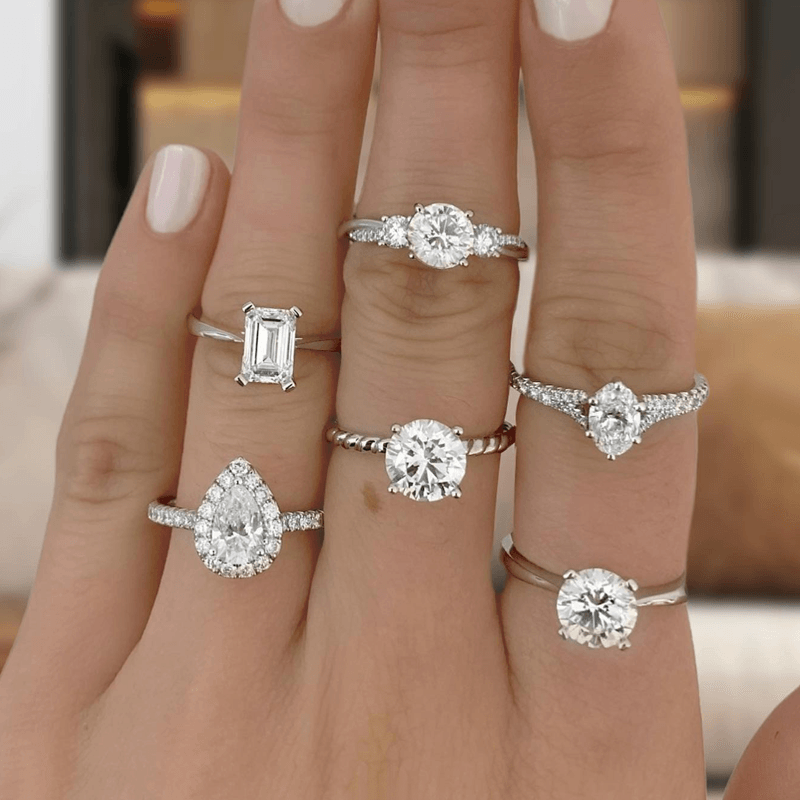
Another advantage is the range of available designs. Buyers can choose classic solitaire settings, three-stone styles, halo designs, pavé bands, and modern minimalist rings. The diamond’s origin does not limit the basic jewelry styles available.
How to Judge Diamond Quality
The familiar 4Cs remain useful when comparing diamonds: cut, color, clarity, and carat weight. These characteristics help shoppers understand what they are actually buying.
Cut affects how effectively a diamond handles light. A well-cut stone can appear bright and lively, while a poorly cut stone may look less brilliant even when it has impressive carat weight.
Color measures how much color is visible in a diamond. For traditional white diamonds, less visible body color generally places the stone higher on the standard color scale.
Clarity refers to internal characteristics and surface features. A stone with fewer visible inclusions may receive a higher clarity assessment, although not every inclusion is visible without magnification.
Carat weight measures diamond weight, not visual size. Two diamonds with the same carat weight can look different because their proportions and shapes vary.
When comparing lab grown diamond rings, buyers should consider these factors together rather than choosing a stone based only on carat weight.
Certification and Grading Matter
A grading document can provide useful independent information about a diamond’s characteristics. Reputable gemological laboratories evaluate laboratory-grown diamonds using specialized testing and identify their laboratory-grown origin.
GIA, for example, has graded laboratory-grown diamonds since 2007. Its laboratory-grown documentation can identify the growth method and indicate whether evidence of post-growth color treatment exists.
Buyers should check that the report matches the actual diamond being sold. Some laboratories also provide identifying numbers or inscriptions that help connect the stone to its documentation.
Do not rely only on a seller’s description. A report from a recognized gemological laboratory gives shoppers a stronger basis for comparing stones.
Choosing the Right Ring Setting
The diamond is only one part of a ring. The setting affects appearance, protection, maintenance, and style.
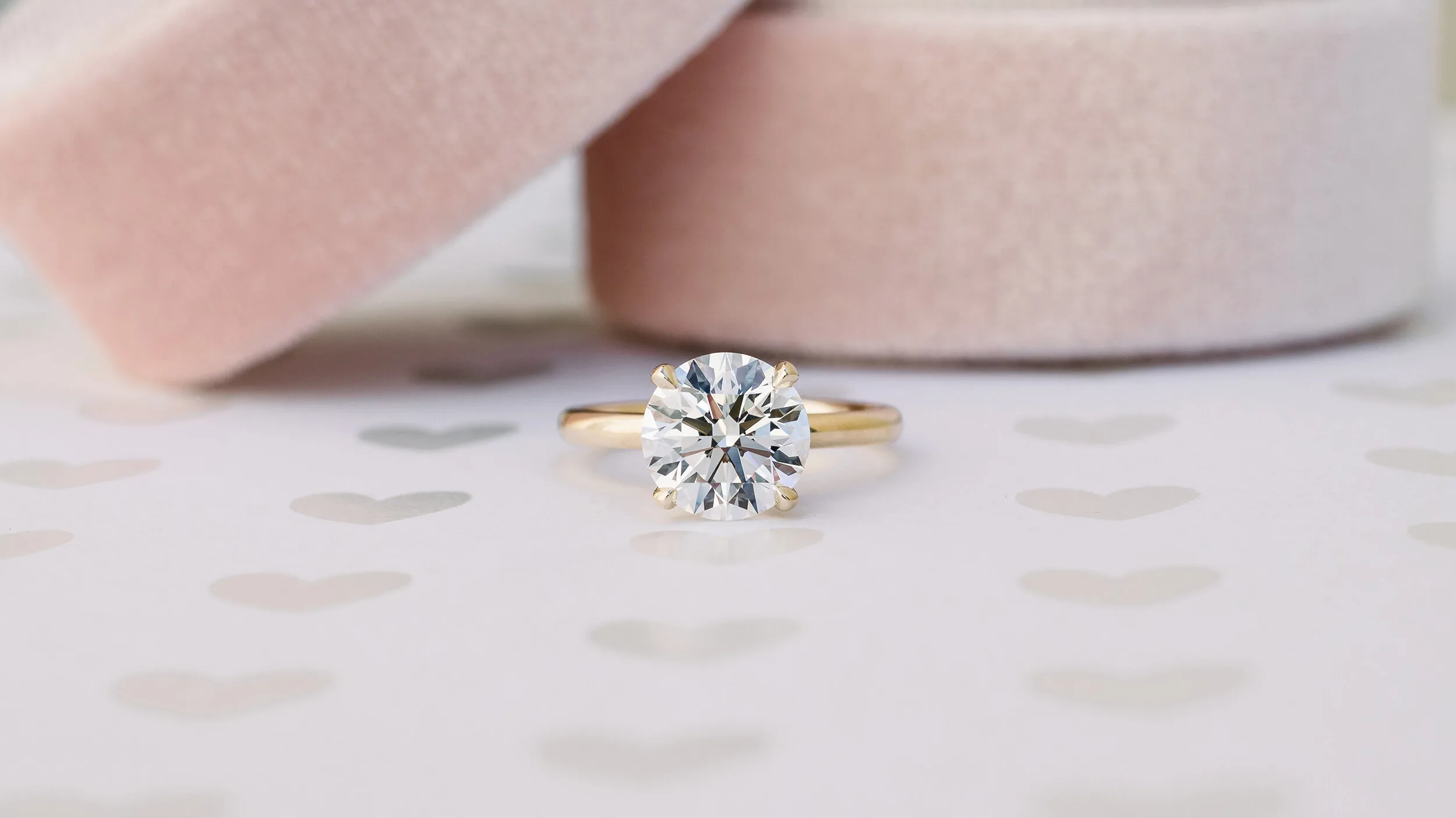
A solitaire setting keeps attention on the center stone and creates a clean appearance. Halo settings surround the center diamond with smaller stones, creating a more decorative look.
Three-stone rings can represent a relationship’s past, present, and future. Pavé settings add small diamonds along the band and can create additional sparkle without making the center stone larger.
Metal choice also deserves attention. Platinum offers a durable option with a naturally white appearance. Gold comes in several colors, including yellow, white, and rose gold.
The best setting depends on lifestyle as well as personal taste. Someone who works with their hands frequently may prefer a secure, lower-profile design.
What to Check Before Buying
Before purchasing a ring, start by reviewing the diamond’s documentation. Confirm the carat weight, color, clarity, cut information, growth method, and any disclosed treatments.
Next, examine the setting. Prongs should hold the center stone securely, while the band should have a comfortable finish. If possible, inspect the ring under different lighting conditions.
Buyers should also review the seller’s return and warranty policies. A clear return period gives you time to inspect the ring carefully after purchase.
Pay attention to terminology as well. The FTC advises jewelry sellers to clearly identify laboratory-created diamonds as not being mined diamonds. The agency’s Jewelry Guides are designed to prevent misleading descriptions and help consumers understand what they are purchasing.
This distinction also matters when shopping for brillantes de laboratorio, because a laboratory-grown diamond should not be confused with an imitation or simulant. Moissanite and cubic zirconia, for example, can resemble diamonds but have different chemical and physical properties.
Are These Rings Suitable for Everyday Wear?
Diamond is one of the hardest naturally occurring materials, and laboratory-grown diamonds share the essential physical properties of natural diamonds. That makes them suitable for many types of everyday jewelry.
However, hardness does not mean a ring is impossible to damage. A strong impact can still chip a diamond under the right conditions, while the metal setting can become scratched or loose.
Regular cleaning can help maintain the ring’s appearance. Mild soap, warm water, and a soft brush are commonly used for diamond jewelry.
It is also sensible to have the setting checked periodically. Loose prongs or worn components can increase the risk of losing a stone.
How to Shop Without Overpaying
Start with a realistic budget rather than choosing the largest diamond available. Then decide which qualities matter most to you.
For some buyers, cut quality deserves the highest priority because it strongly influences visual performance. Others may prefer a larger carat weight or a specific shape.
Compare similar diamonds across several sellers. Look beyond the advertised price and review the stone’s grading information, setting quality, warranty, return policy, and included services.
A lower price is not automatically a better deal. A well-cut diamond with reliable documentation and a quality setting can offer more satisfaction than a larger stone with weaker characteristics.
Making a Confident Choice
The strongest purchase combines personal preference with reliable information. Learn how the diamond was produced, verify its documentation, inspect its quality, and choose a setting that suits everyday use.
Lab grown diamond rings can offer a practical alternative to mined-diamond jewelry for buyers who value modern production methods and want more flexibility in their budget. The key is to evaluate the complete ring rather than focusing on one specification.
Whether you prefer a classic solitaire or a detailed halo design, understanding diamond quality makes comparison easier. With clear documentation, accurate descriptions, and careful shopping, brillantes de laboratorio can be considered on their actual characteristics rather than assumptions about their origin.
AboutLorie Parsons