

A wedding band may be small, but it carries more meaning than almost any other piece of jewellery. It is worn through ordinary mornings, celebrations, holidays, workdays and major milestones, so choosing one involves more than finding a design that looks attractive in a display case.
For couples in the United Kingdom, lab grown diamonds have created another route to the classic diamond wedding-ring look. They offer the brilliance associated with diamond while giving shoppers access to different stone sizes, band styles and budgets.
Laboratory-created diamonds are genuine diamonds rather than lookalike materials such as cubic zirconia. They have essentially the same crystal structure and very similar physical and optical properties as naturally formed diamonds. The main difference is how and where they originate.
Before choosing a band, however, it is worth thinking about comfort, metal, setting style, maintenance and how the ring will sit next to an engagement ring. A design that photographs beautifully is not automatically the best ring for everyday wear.
Pros and Cons of Lab-Created Diamond Wedding Bands
One reason laboratory-created diamond jewellery attracts attention is that buyers can often explore more design options within a planned wedding budget.
Advantages
- More design flexibility: Couples may be able to consider additional stones, wider bands or more detailed settings without moving into a significantly higher budget.
- Classic diamond appearance: Laboratory-created stones provide the familiar sparkle, hardness and appearance people expect from diamond jewellery.
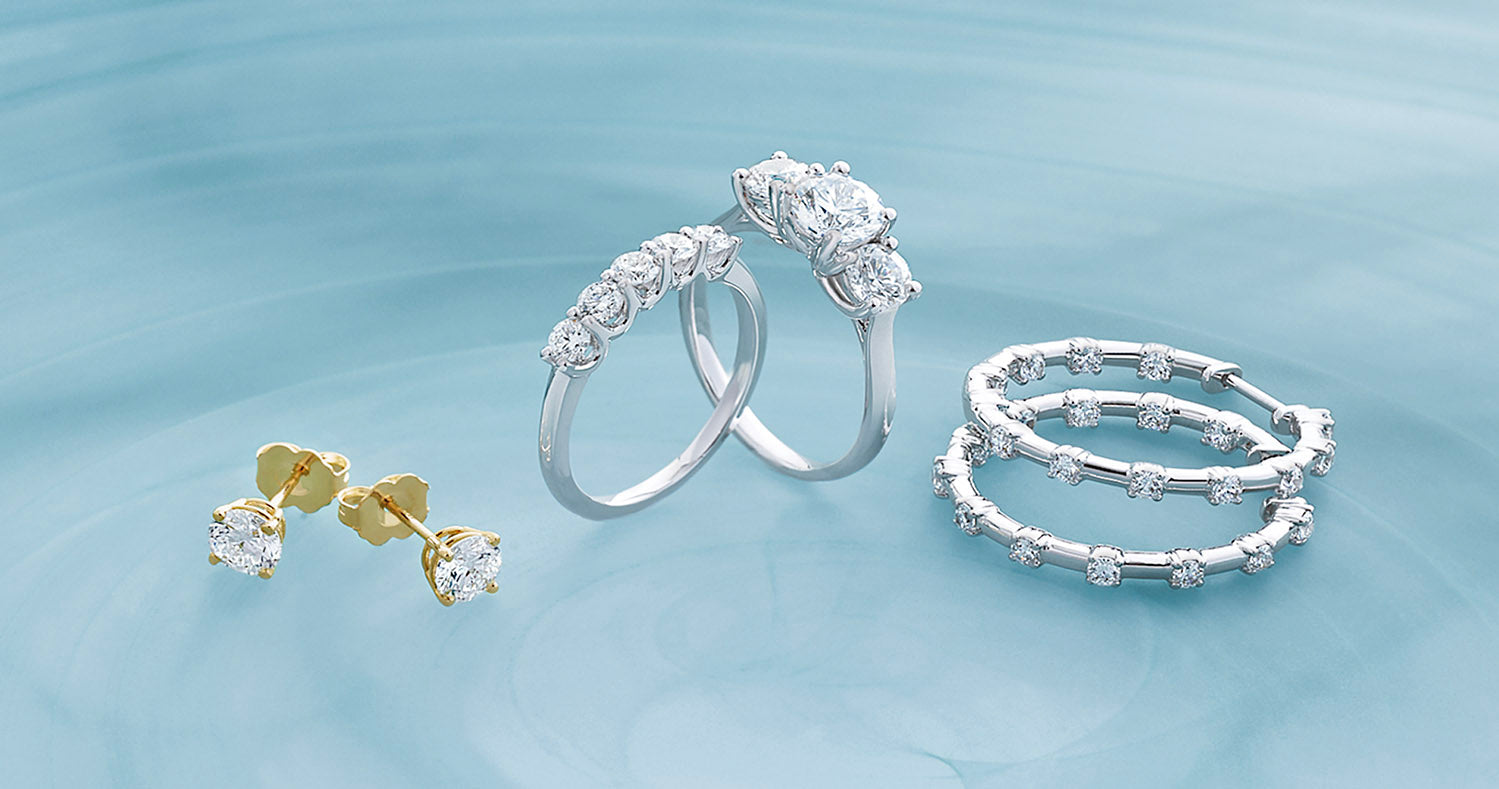
- Wide choice of styles: Options range from delicate pavé bands to bold eternity and channel-set designs.
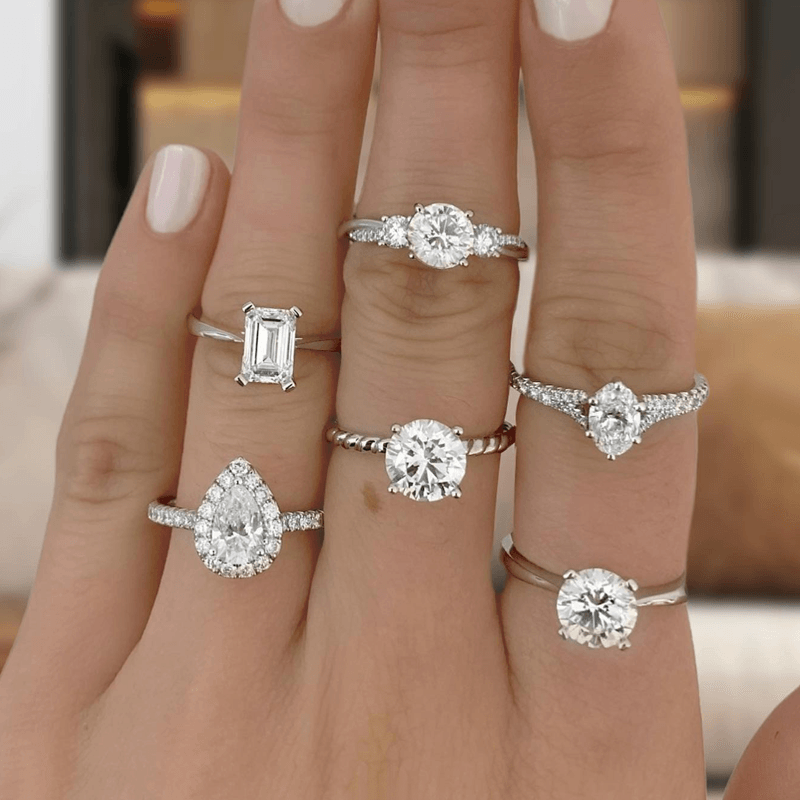
- Easy engagement-ring pairing: They can be matched with solitaire, halo, oval, emerald-cut and other popular engagement-ring styles.
- Clear origin: Buyers who specifically prefer a manufactured rather than mined diamond can choose according to that preference.
There is also practical flexibility. Someone who wants a subtle half-eternity ring can choose small stones across the visible section of the band, while another buyer may prefer diamonds continuing around the entire circumference.
Possible Drawbacks
There are still considerations worth understanding before ordering.
A full-eternity band, for example, may be more difficult to resize because stones and settings extend around the entire ring. If your finger size changes in future, adjustment may be limited.
Very delicate settings can also require more care. Tiny pavé stones are attractive, but buyers who work frequently with their hands may prefer a more protected channel, bezel or low-profile setting.
Resale expectations should also remain realistic. A wedding ring is normally purchased for personal and sentimental use rather than as a short-term financial investment. Focus primarily on craftsmanship, comfort and whether you genuinely like the design.
Choosing the Right Metal
The diamonds may attract most of the attention, but the metal determines much of the ring’s appearance, strength and long-term character.
Platinum is popular for bridal jewellery because of its naturally white appearance and durability. White gold offers a similar visual effect but has different maintenance characteristics. Yellow gold creates a warmer contrast against colourless stones, while rose gold gives the ring a softer, romantic appearance.
When buying precious-metal jewellery in the UK, check the hallmark where legally required. Hallmarking verifies the precious-metal content of items sold as gold, silver, platinum or palladium, subject to minimum-weight exemptions.
It is worth asking the jeweller:
- What metal purity is being used?
- Is the ring hallmarked where required?
- Will the finish need periodic maintenance?
- Can the band be resized later?
- Does the metal match your engagement ring?
Matching metals is not compulsory. Some couples deliberately mix yellow gold with platinum or white gold. The important point is to make the combination look intentional.
Think About How the Band Fits Your Engagement Ring
Wedding bands are often viewed separately online, yet most people will eventually wear the band next to another ring.
That changes the buying decision considerably.
A straight wedding band generally works well beside engagement rings with raised centre settings. A low-set engagement ring may leave a visible space between the two rings, in which case a curved or contoured wedding band could provide a closer fit.
Before buying, look at both rings from the top and from the side.
Check whether:
- The bands sit comfortably together.
- Diamond settings rub against the neighbouring ring.
- One ring overwhelms the other visually.
- The overall width feels comfortable on your finger.
- The wedding band can also be worn attractively on its own.
Trying the combination in person is ideal, although online buyers can also compare exact measurements carefully.
Expert Tips for Buying With Confidence
Start with lifestyle rather than carat weight. Someone who removes jewellery before sport, gardening or manual work may happily choose a more delicate design. Someone who rarely takes off their wedding ring may benefit from a protected, low-profile setting.
When comparing a lab diamond wedding band, ask for clear information about stone quality, setting construction, precious-metal specifications, sizing policies, warranties and aftercare rather than judging the ring only by photographs.
Pay particular attention to diamond consistency in multi-stone bands. When several diamonds sit beside one another, reasonably consistent colour and appearance help create a balanced look across the ring.
Comfort matters too. A slightly wider eternity-style band may feel very different from a narrow plain ring even when both carry the same ring size. If possible, try similar widths before placing a customised order.
Another useful tip is to consider future maintenance before purchase. Ask whether the jeweller offers professional inspections, cleaning or stone-tightening services. Small claws and settings experience years of normal wear, so occasional checks can help identify problems before a stone becomes loose.
Finally, read the resizing and returns policy carefully, especially for engraved, customised or full-eternity designs. Made-to-order jewellery may have different return conditions from standard stock.
Key Takeaways
Choosing a wedding band becomes easier when you separate appearance from practical considerations.
Remember these points:
- Decide how much sparkle you actually want for everyday wear.
- Choose a setting appropriate for your normal activities.
- Compare the wedding band beside your engagement ring.
- Check metal type, purity and applicable UK hallmarking.
- Ask about resizing before ordering an eternity design.
- Look for consistent stones and secure craftsmanship.
- Review warranties, returns and aftercare.
- Buy for personal enjoyment rather than assumptions about future resale value.
The best design is not necessarily the largest or most elaborate. It is the ring that feels comfortable, suits your style and remains practical enough to wear regularly.
Conclusion
Wedding bands are deeply personal pieces of jewellery, and laboratory-created diamond options have given UK couples more freedom to balance design, sparkle and budget.
Take time to compare metals, settings, widths and how each ring works alongside your engagement ring. Small practical details—such as a secure setting, comfortable profile, clear sizing policy and appropriate hallmark—can matter far more after several years of wear than they do during the first few minutes of shopping.
Choose the ring you can imagine wearing not only on your wedding day, but during everyday life long after the ceremony. A thoughtful purchase should feel comfortable, look balanced and continue to suit your style as the years pass.
AboutLorie Parsons